L o a d i n g

colony

15 m3

at 6 m

48.2ºN

[tingly] tree

wood

colonizing

rough

invertebrates

[tingly] tree

by F.Haller & F.Herberth

[tingly] tree

by F.Haller & F.Herberth

[tingly] tree

by F.Haller & F.Herberth

[tingly] tree

by F.Haller & F.Herberth

[tingly] tree

by F.Haller & F.Herberth

[tingly] tree

by F.Haller & F.Herberth

[tingly] tree

by F.Haller & F.Herberth

[tingly] tree

by F.Haller & F.Herberth

[tingly] tree

by F.Haller & F.Herberth

[tingly] tree

[tingly] tree

[tingly] tree

[tingly] tree

by F.Haller & F.Herberth

[tingly] tree

by F.Haller & F.Herberth

[tingly] tree

by F.Haller & F.Herberth

[tingly] tree

by F.Haller & F.Herberth

[tingly] tree

by F.Haller & F.Herberth

[tingly] tree

by F.Haller & F.Herberth

[tingly] tree

by F.Haller & F.Herberth

[tingly] tree

by F.Haller & F.Herberth

[tingly] tree

by F.Haller & F.Herberth

[tingly] tree

[tingly] tree

by F.Haller & F.Herberth

[tingly] tree

[tingly] tree

more
information

colony

15 m3

at 6 m

48.2ºN

wood

colonizing

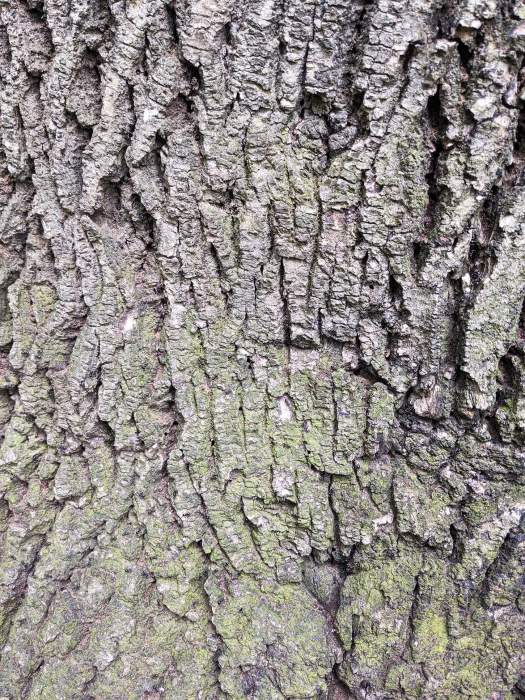
rough

invertebrates

zoom
out
zoom
in
close
habitat

Introduction

Austria
Vienna, Prater
48.2089°N, 16.4103°E
28/05/2025, 1:21pm
Provided by Fiona Haller and Flora Herberth

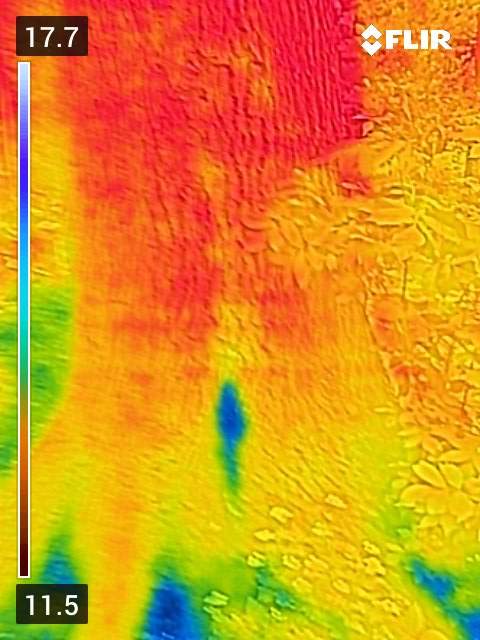
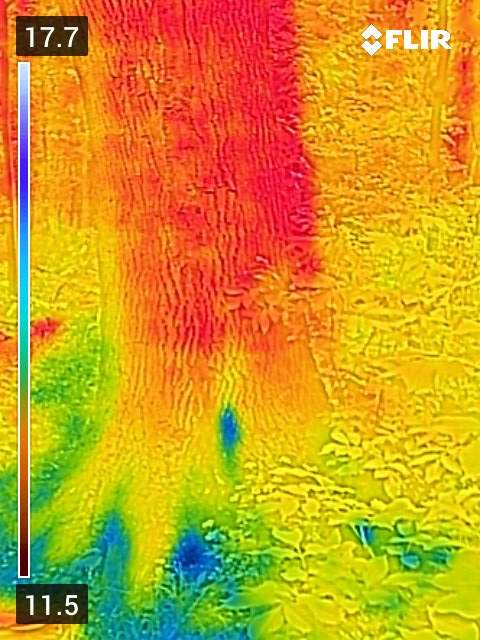
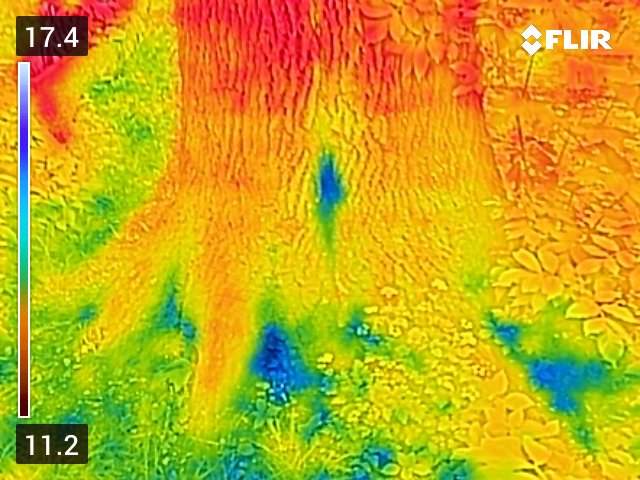
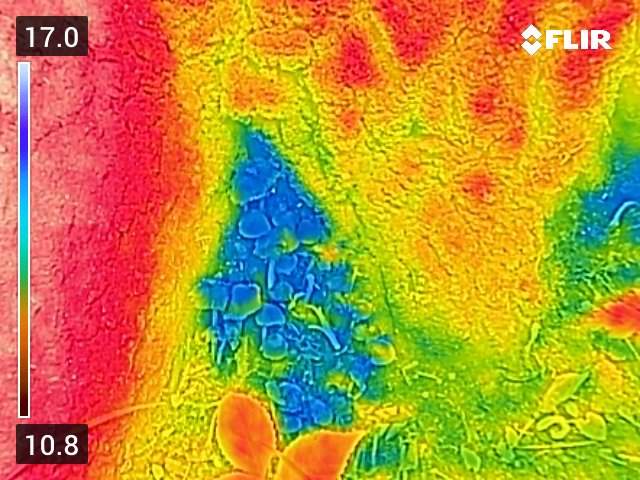
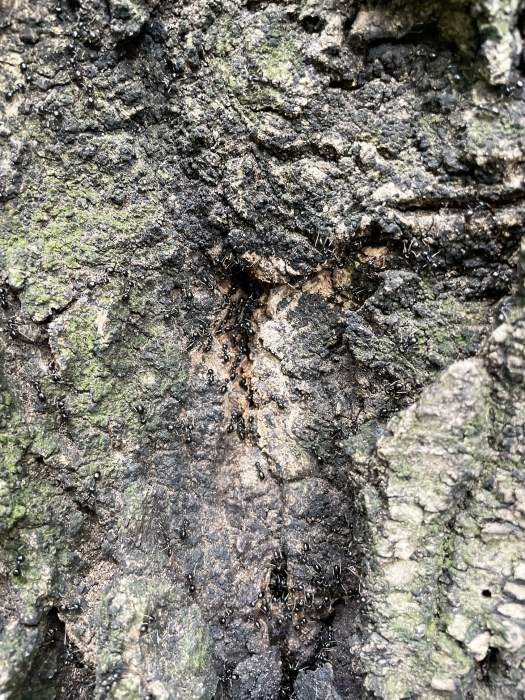
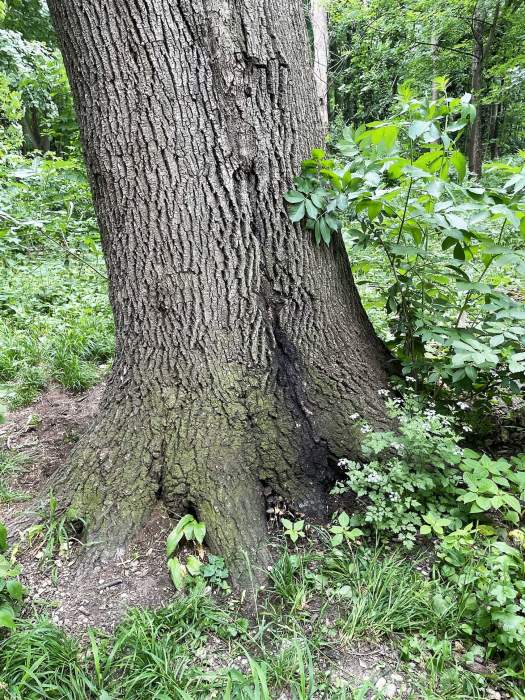
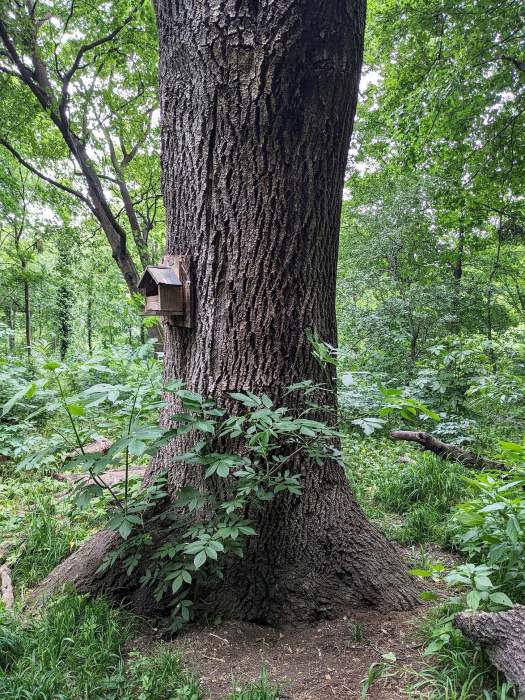
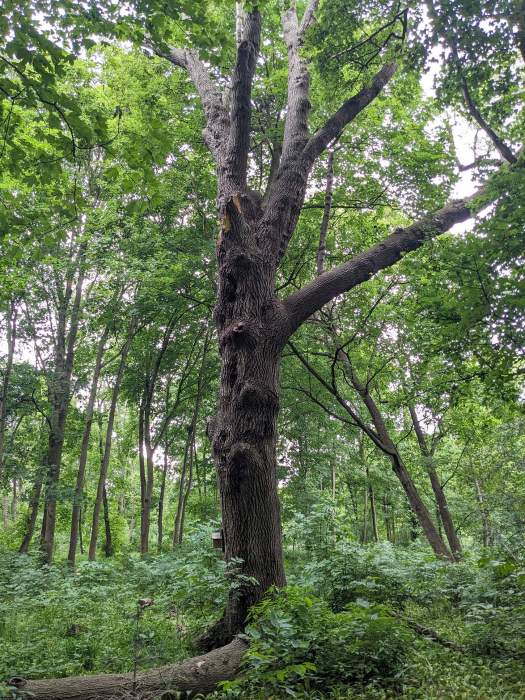
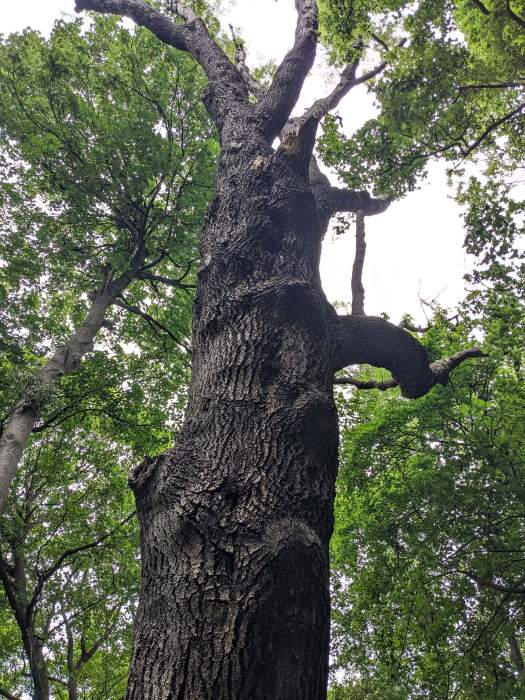
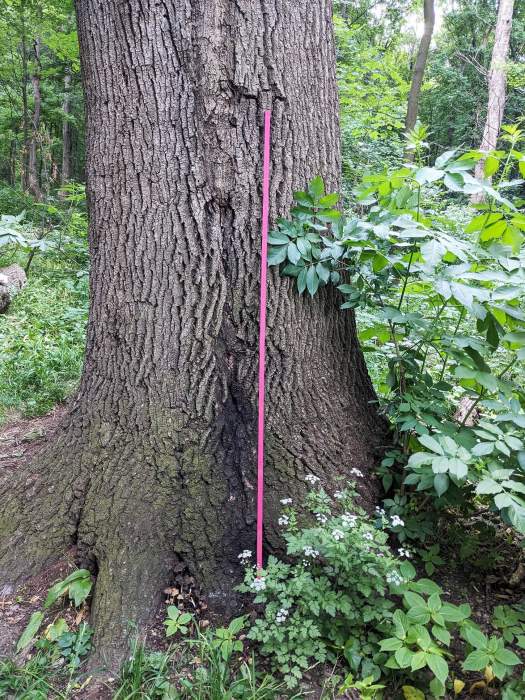
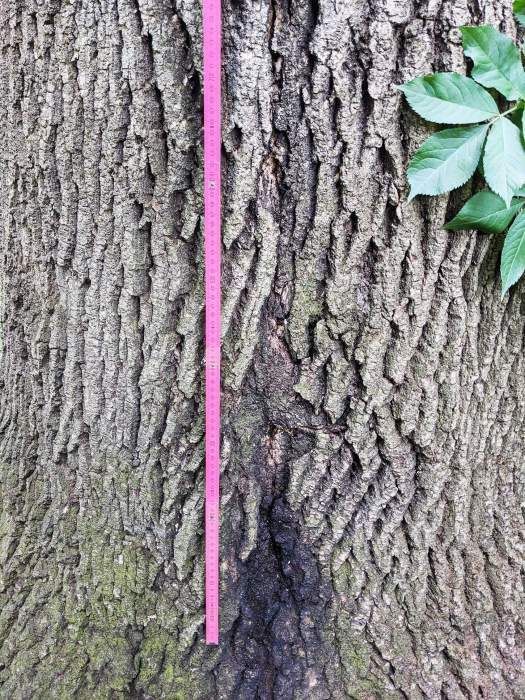
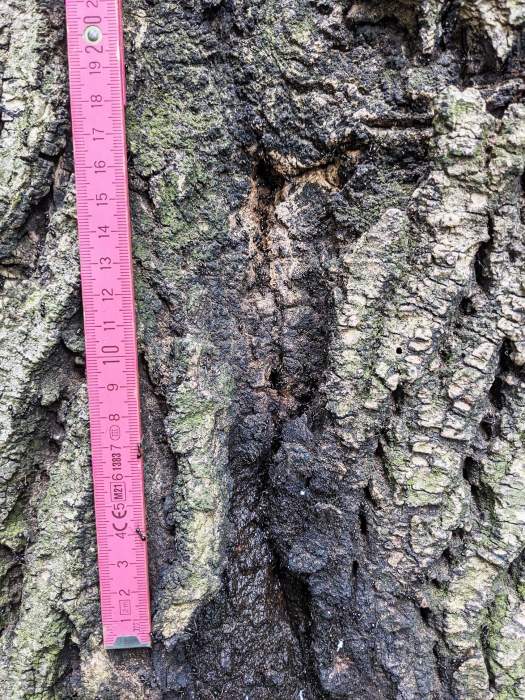
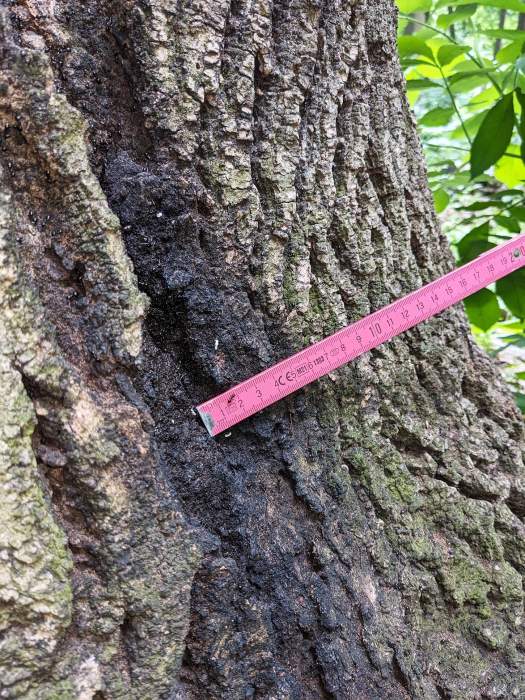
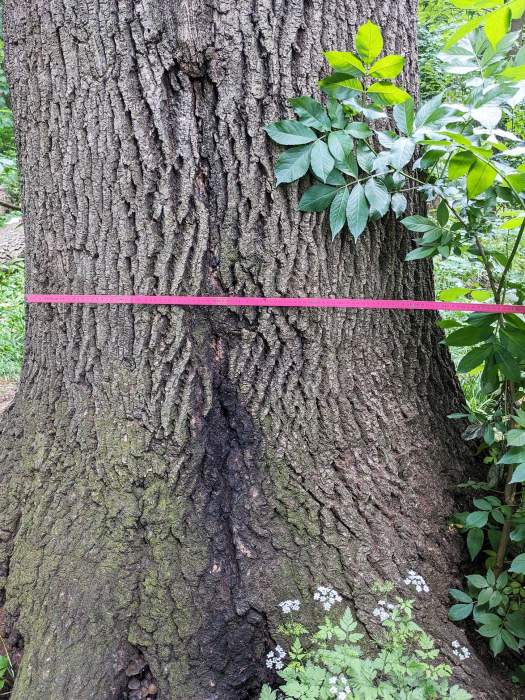
The black wood ant (Formica fusca) lives in large colonies with a single queen and thousands of workers. It builds nests from soil and plant material, typically in forests. This species plays as well an important role in the ecosystem by preying on pests and aerating the soil. While protected in some regions, it is widely regarded as highly beneficial to forest ecosystems.