L o a d i n g

group

3.5 m3

at 0 m

48.22ºN

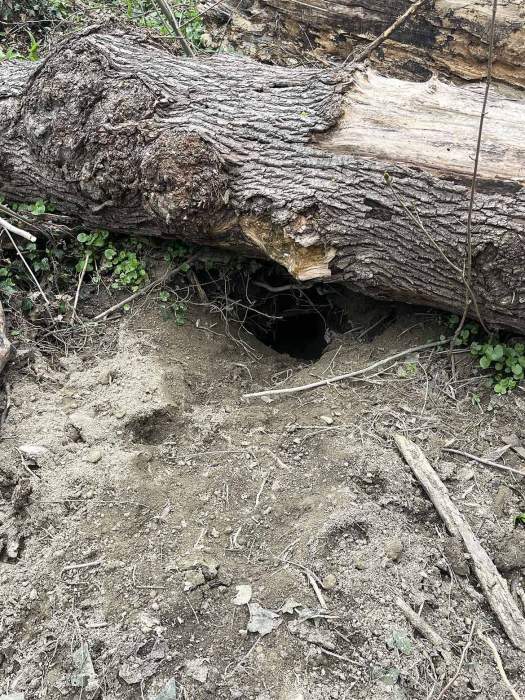
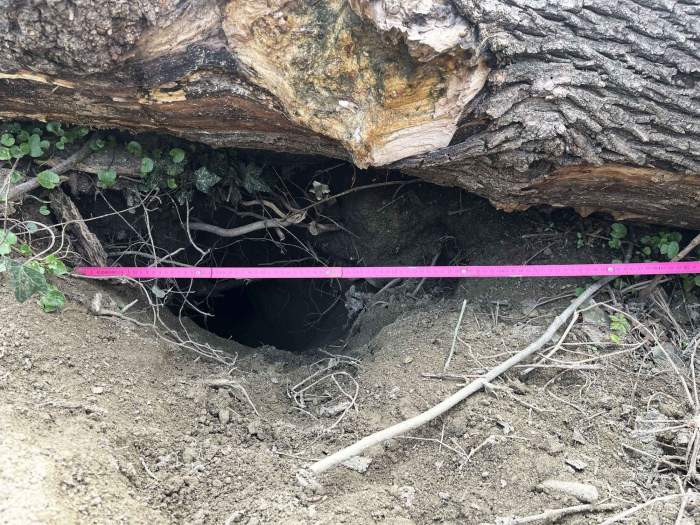
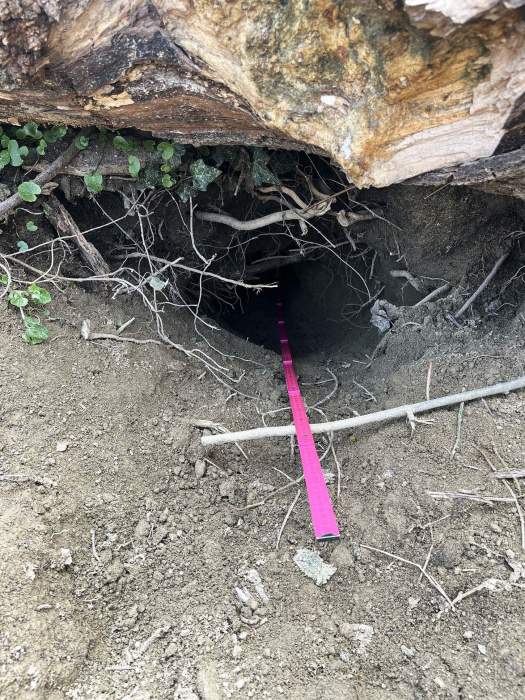
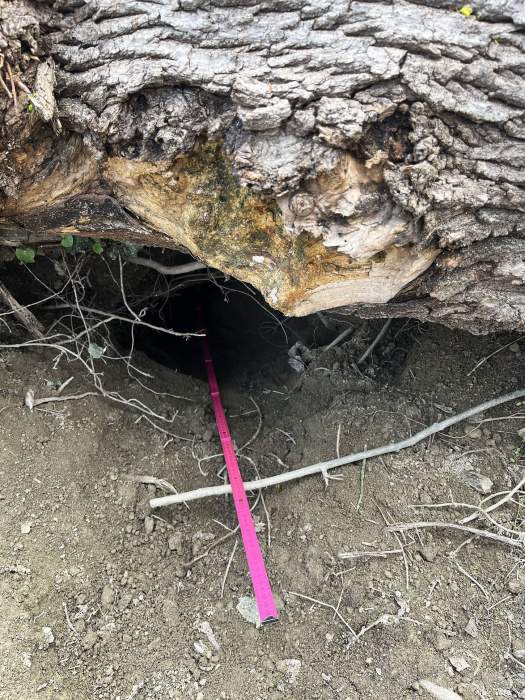
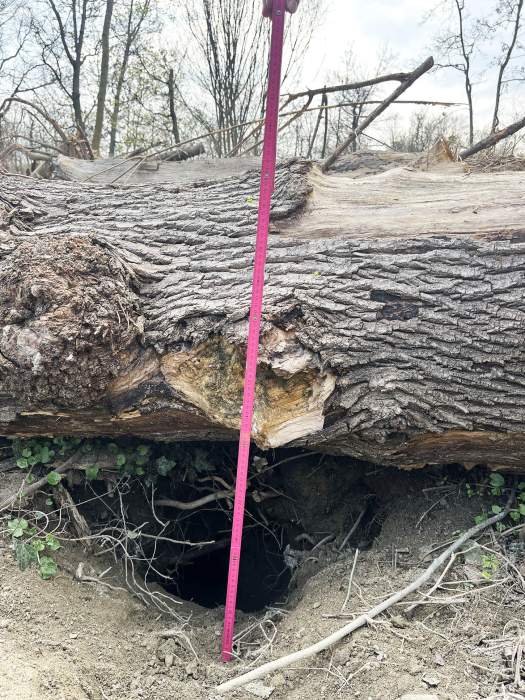
[withdrawn] hole

earth

digging

rough

mammals

[withdrawn] hole

by F.Haller & F.Herberth

[withdrawn] hole

by F.Haller & F.Herberth

[withdrawn] hole

by F.Haller & F.Herberth

[withdrawn] hole

by F.Haller & F.Herberth

[withdrawn] hole

by F.Haller & F.Herberth

[withdrawn] hole

by F.Haller & F.Herberth

[withdrawn] hole

by F.Haller & F.Herberth

[withdrawn] hole

by F.Haller & F.Herberth

[withdrawn] hole

by F.Haller & F.Herberth

[withdrawn] hole

[withdrawn] hole

[withdrawn] hole

by F.Haller & F.Herberth

[withdrawn] hole

by F.Haller & F.Herberth

[withdrawn] hole

by F.Haller & F.Herberth

[withdrawn] hole

by F.Haller & F.Herberth

[withdrawn] hole

by F.Haller & F.Herberth

[withdrawn] hole

by F.Haller & F.Herberth

[withdrawn] hole

by F.Haller & F.Herberth

[withdrawn] hole

by F.Haller & F.Herberth

[withdrawn] hole

by F.Haller & F.Herberth

[withdrawn] hole

[withdrawn] hole

[withdrawn] hole

[withdrawn] hole

more
information

group

3.5 m3

at 0 m

48.22ºN

earth

digging

rough

mammals

zoom
out
zoom
in
close
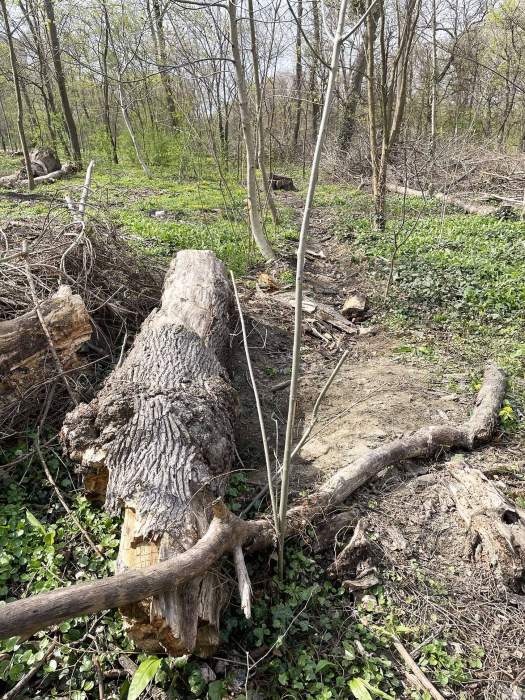
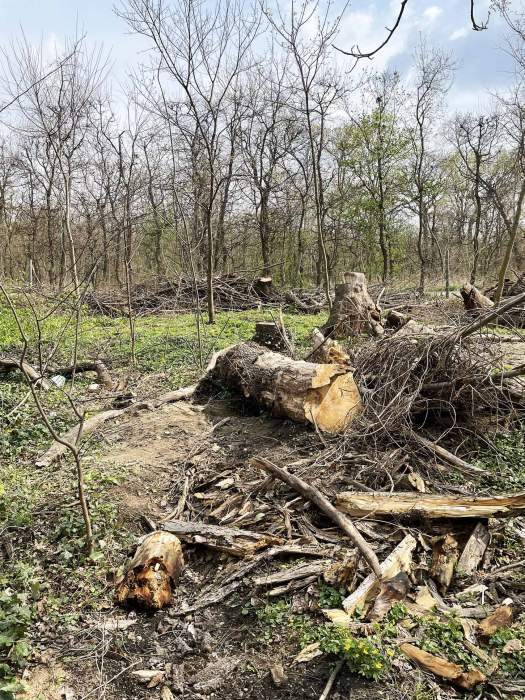
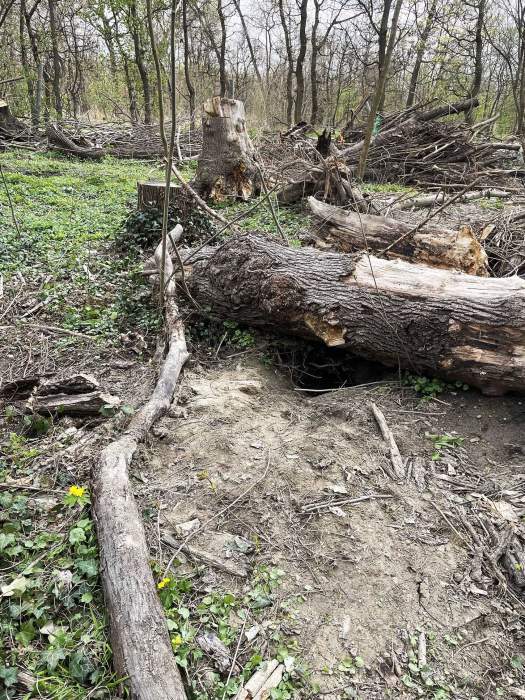
habitat

Introduction

Austria
Vienna, Augarten
48.2263°N, 16.3781° E
02/04/2025, 2:10 pm
Provided by Fiona Haller and Flora Herberth

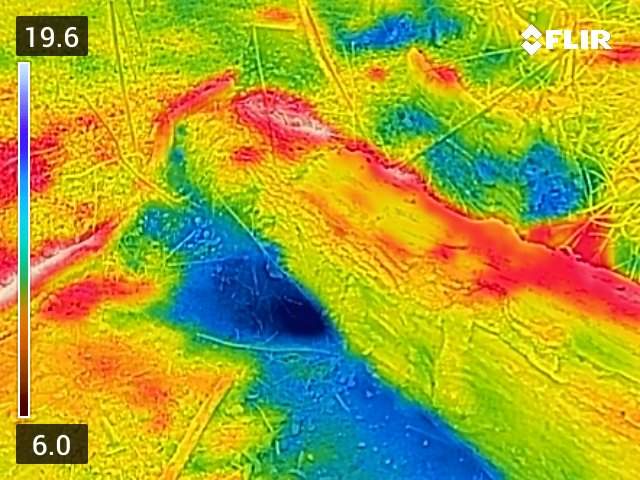
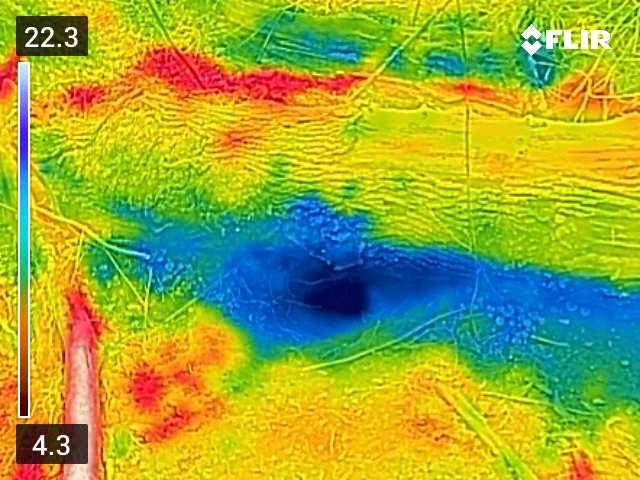
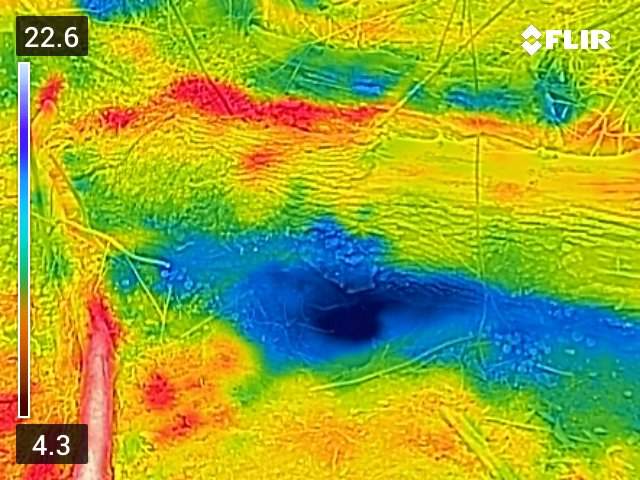
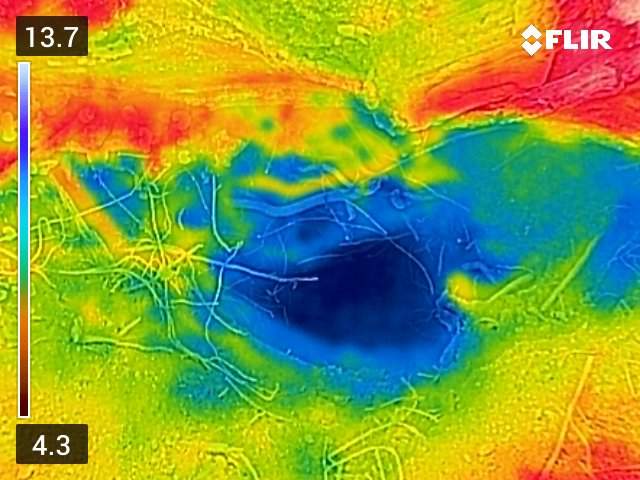
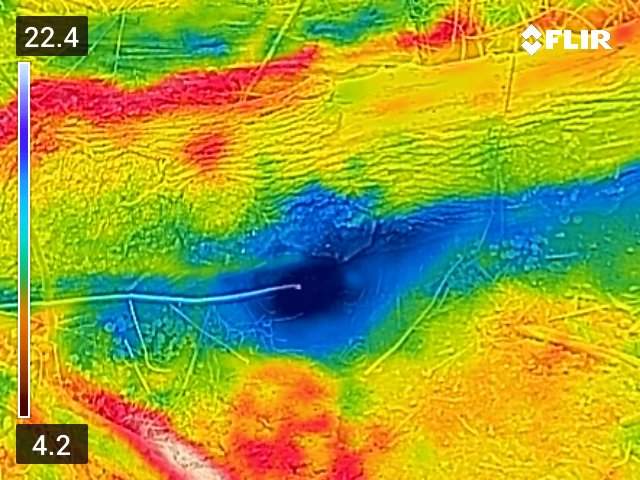
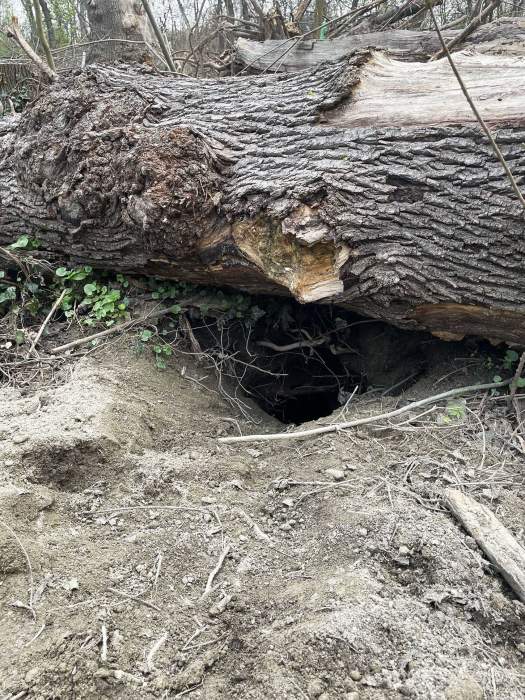
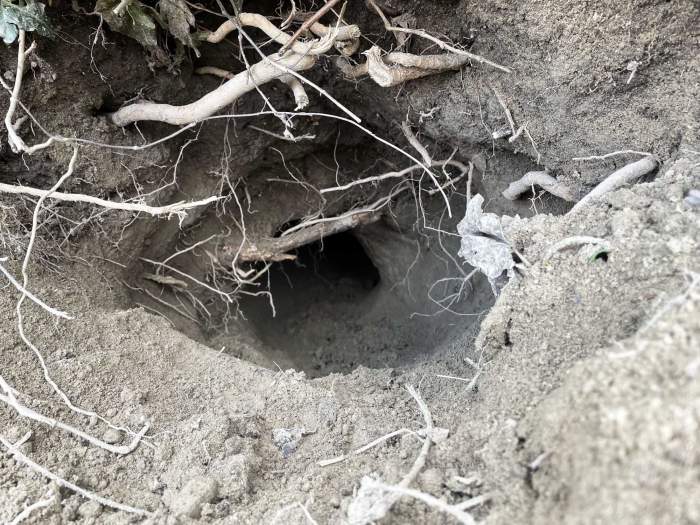
The European badger is the largest native badger species in Europe and belongs to the mustelid family. The scientific name is Meles meles. It inhabits underground setts that are often used for generations and shows characteristic digging behavior. Badgers are opportunistic omnivores, preferring earthworms but also feeding on insects, snails, fruit, and grain. They live in social groups of two to twenty animals within territories of 100 to 300 hectares. Typical signs include scratch marks, clawed footprints, and latrines.