L o a d i n g

individual

0.0002 m3

at 1.5 m

6.5ºN

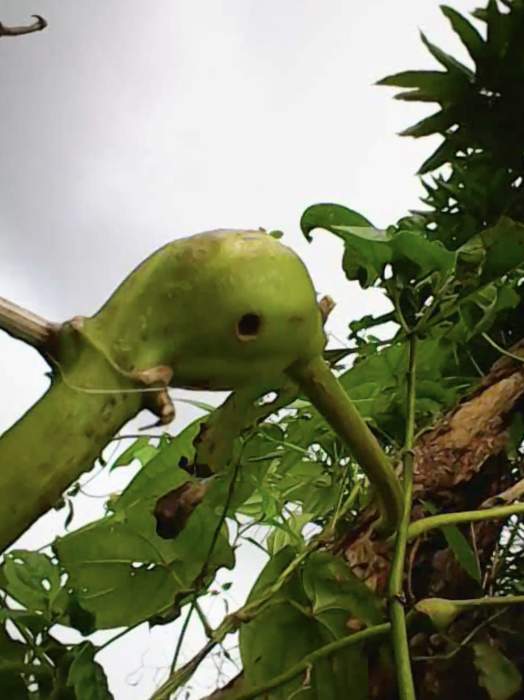
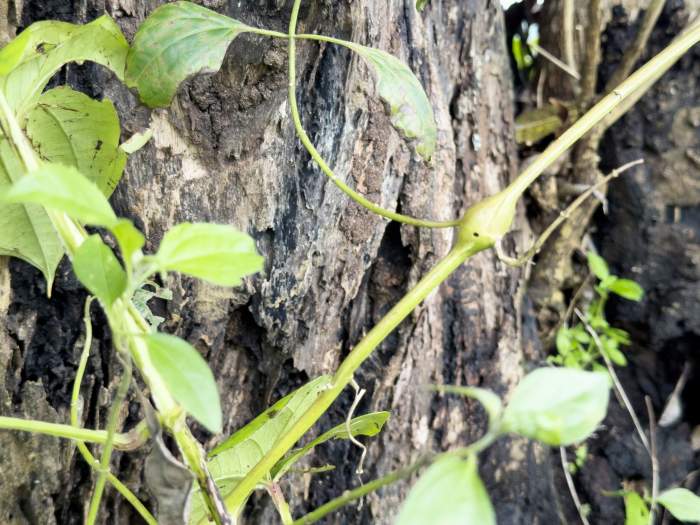
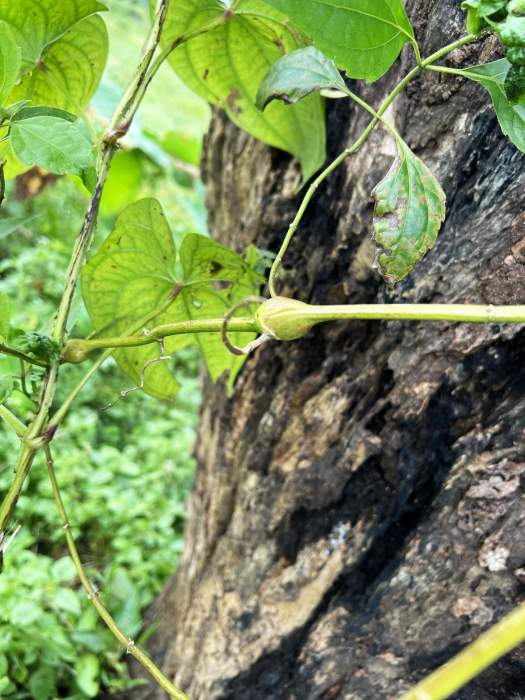
[balooned] stem

fibres

excavating

smooth

invertebrates

[balooned] stem

[balooned] stem

[balooned] stem

[balooned] stem

[balooned] stem

[balooned] stem

[balooned] stem

[balooned] stem

[balooned] stem

[balooned] stem

[balooned] stem

[balooned] stem

[balooned] stem

[balooned] stem

[balooned] stem

[balooned] stem

[balooned] stem

[balooned] stem

[balooned] stem

[balooned] stem

[balooned] stem

more
information

individual

0.0002 m3

at 1.5 m

6.5ºN

fibres

excavating

smooth

invertebrates

zoom
out
zoom
in
close
habitat

Introduction

Liberia
Booker Washington Institute, Kakata
6.5324 N, 10.3663 W
22/08/2024 3:15 pm

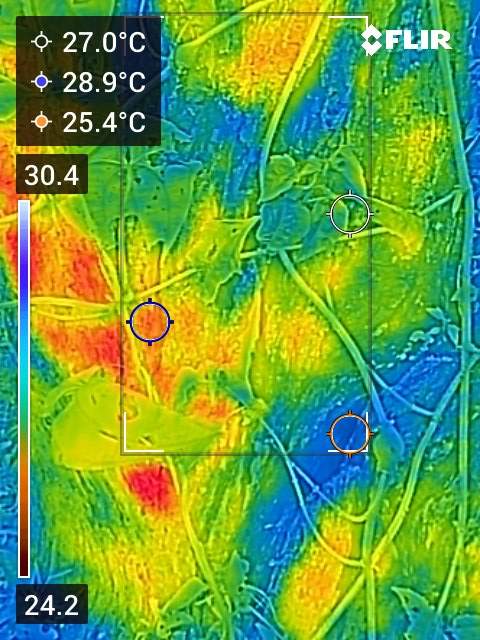
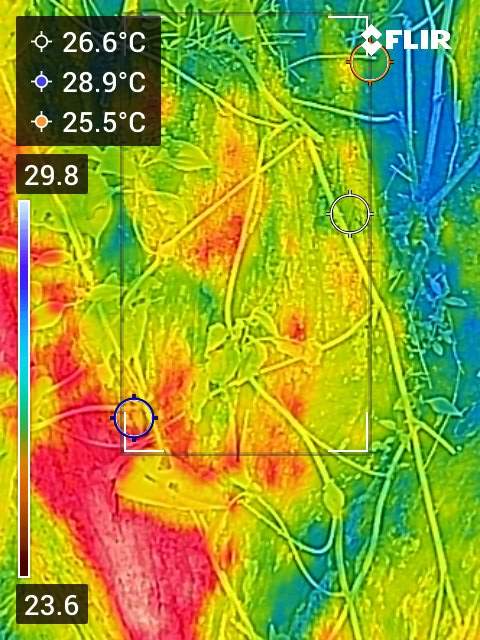
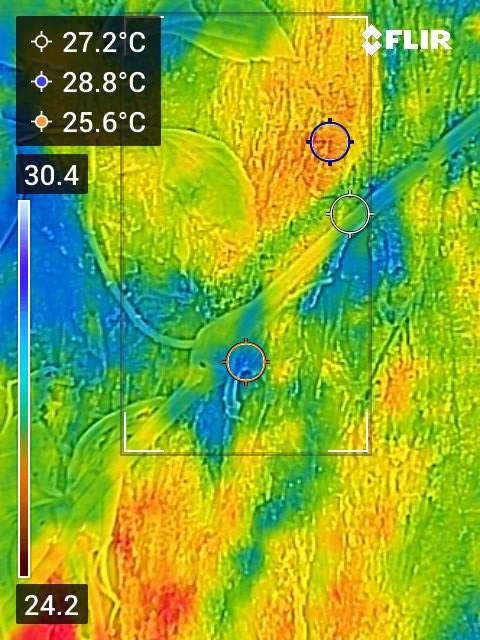
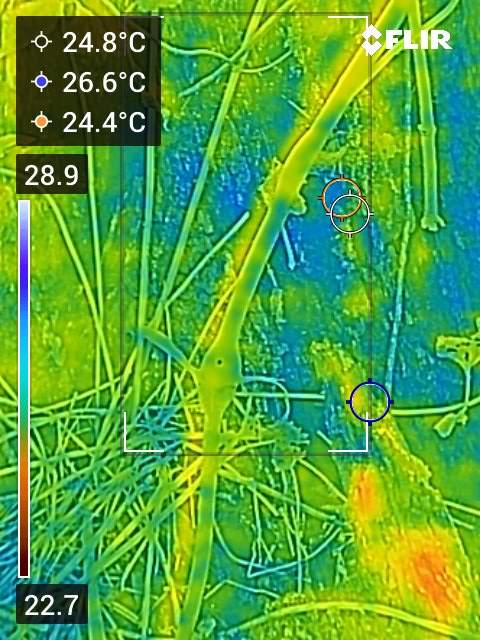
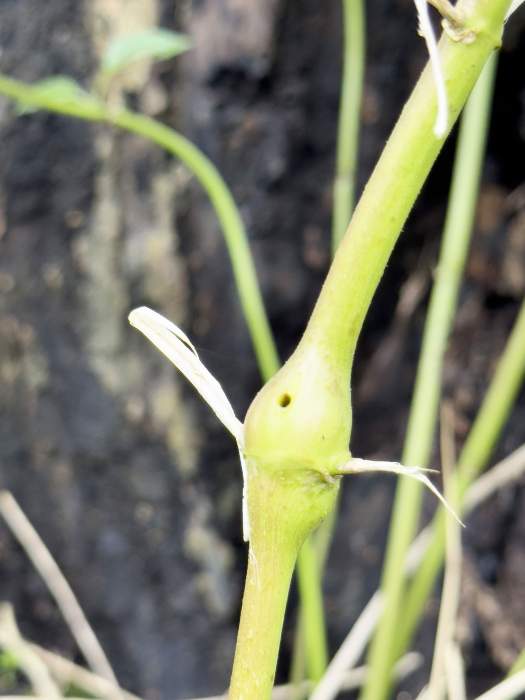
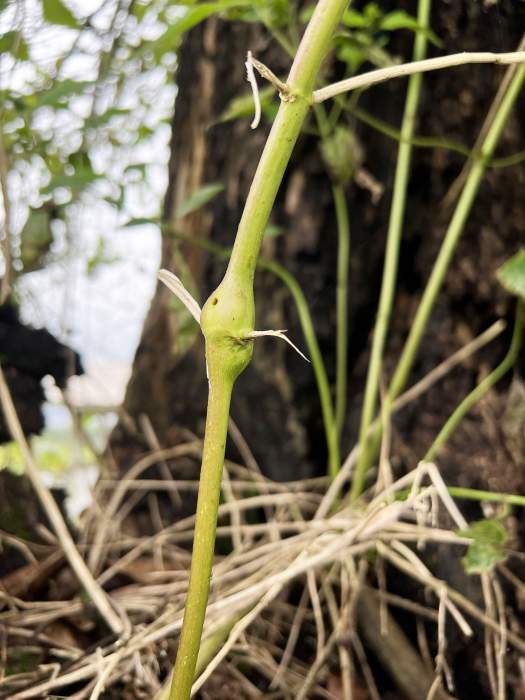
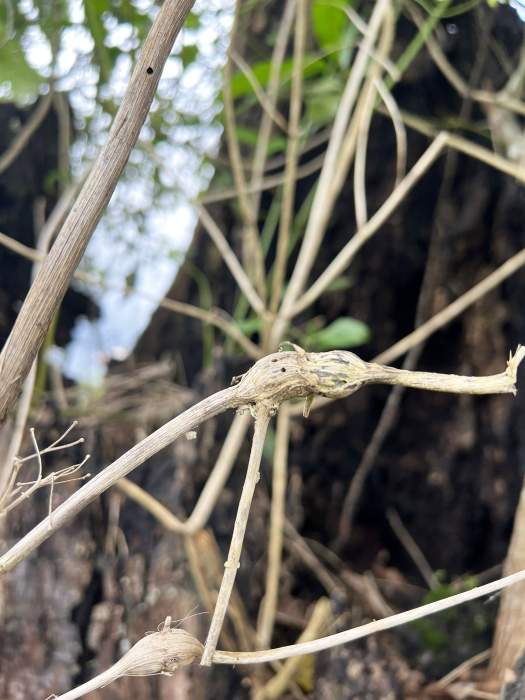
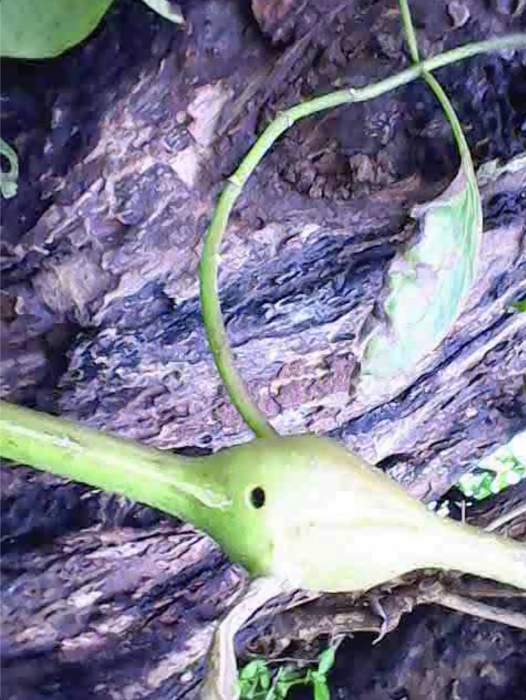
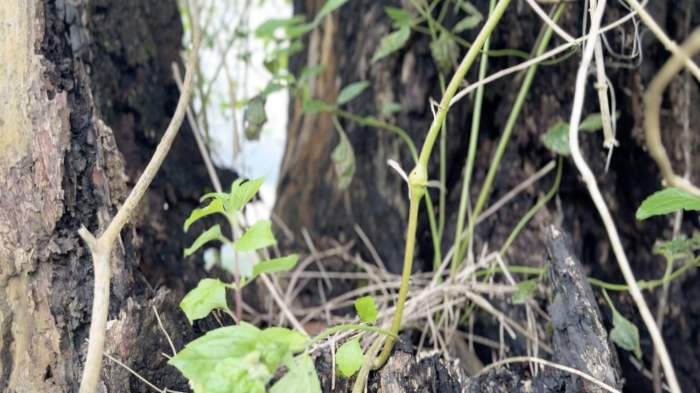
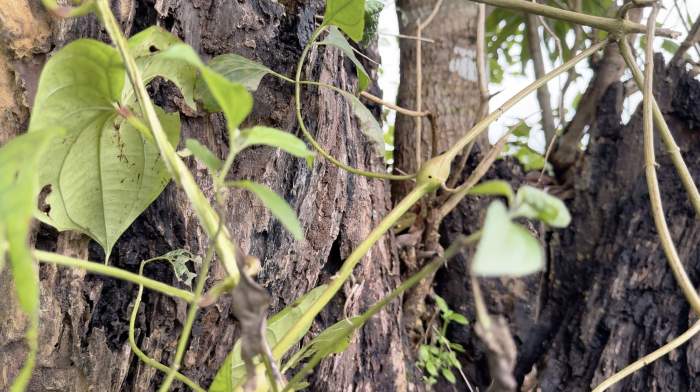
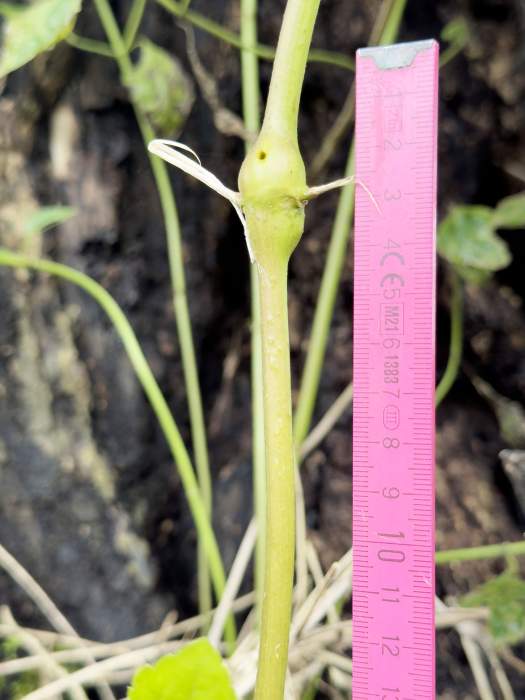
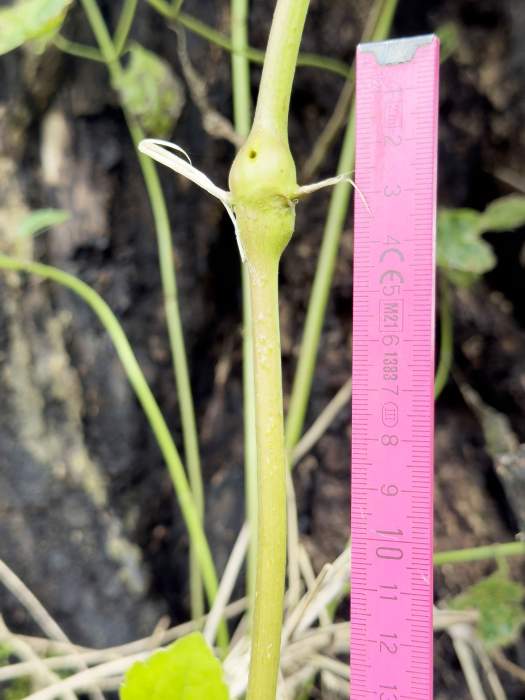
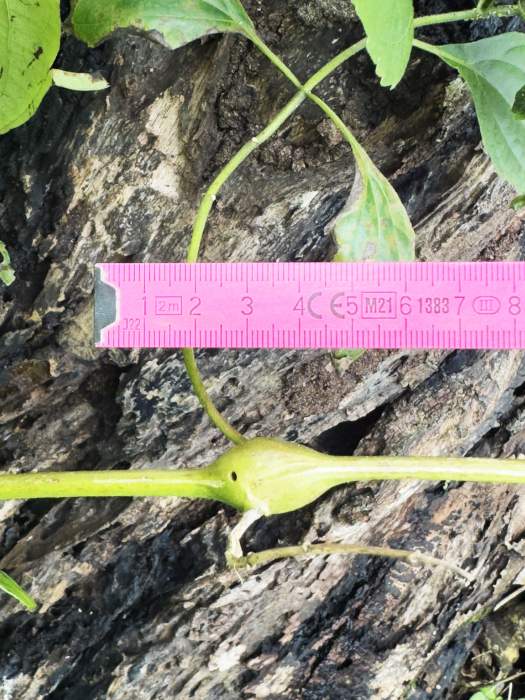
These stem-boring larvae are known for their ability to bore into plant stems, feeding on the internal tissues of trees and shrubs. The hollowing of the stem eventually causes the plant to swell or even blow up due to internal pressure and tissue destruction. The boring activity disrupts the flow of water and nutrients within the plant, often causing the stem to crack or split. This creates a safe habitat for the larvae, but it also leaves the plant vulnerable to damage or collapse.