Microclimate
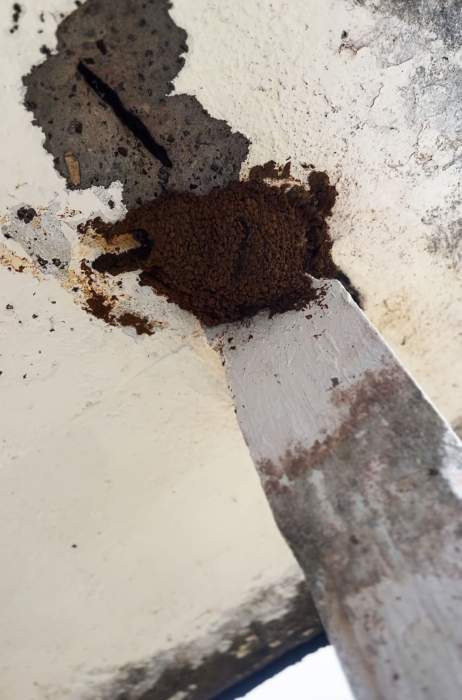
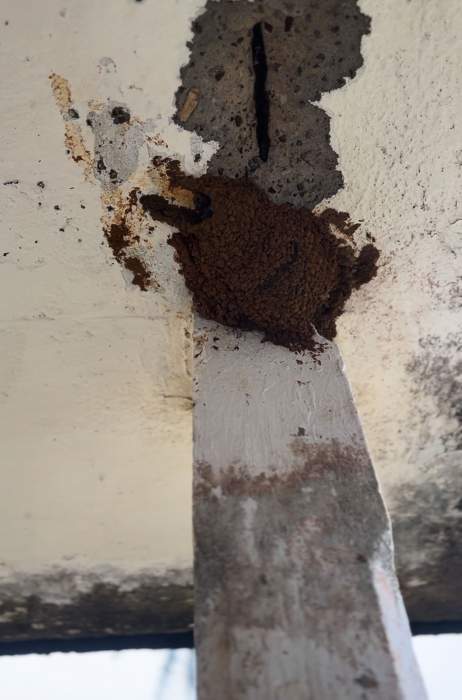
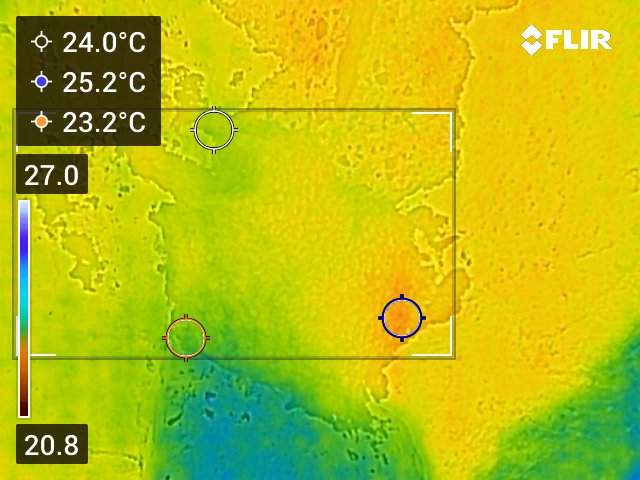
Swallow nests in Liberia, which often face east or northeast, shield the birds against the harsh afternoon sun and heavy rains. Elevated high upon structures, their cavities provide cooling insulation, maintaining a stable microclimate.
L o a d i n g
group
0.0004 m3
at 2.9 m
6.7ºN
[cantilevered] nest
earth
glueing
porous
birds
[cantilevered] nest
[cantilevered] nest
[cantilevered] nest
[cantilevered] nest
[cantilevered] nest
[cantilevered] nest
[cantilevered] nest
[cantilevered] nest
[cantilevered] nest
[cantilevered] nest
[cantilevered] nest
[cantilevered] nest
[cantilevered] nest
group
0.0004 m3
at 2.9 m
6.7ºN
earth
glueing
porous
birds
Liberia
Robertsport Memorial Building
6,7514 N 11,3700 W
20/08/2024, 4:13 pm
The Hirundinidae family of birds, encompassing swallows, consists of approximately 90 species with a broad geographical distribution. These birds are adept at constructing mud nests, often found attached to vertical surfaces, such as walls, or beneath eaves. The most recognized genera, including Hirundo and Cecropis, are known for their cup-shaped nests, which are reinforced with organic materials and serve as protective enclosures for their offspring.

Swallow nests in Liberia, which often face east or northeast, shield the birds against the harsh afternoon sun and heavy rains. Elevated high upon structures, their cavities provide cooling insulation, maintaining a stable microclimate.
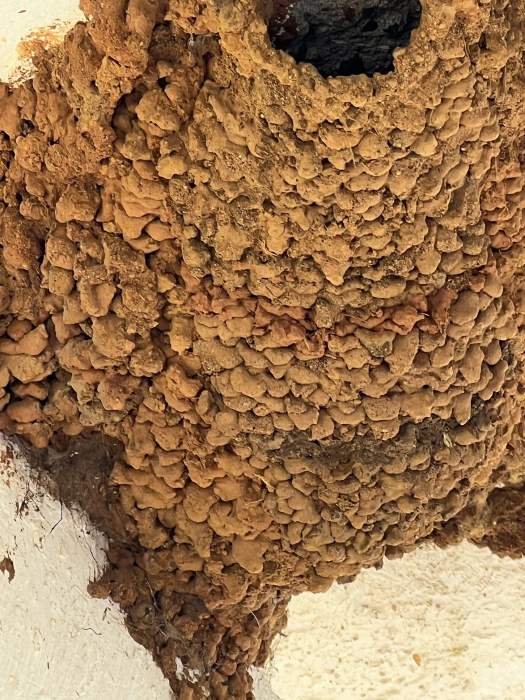
Swallows meticulously gather mud from nearby sources, which is often mixed with saliva to increase its adhesive properties. This mixture, rich in clay and organic particles, forms a durable, cohesive material ideal for nestbuilding. The mud's pliability when it is wet allows swallows to mold it into precise shapes, while the way it hardens upon drying ensures structural integrity, protecting the nest from environmental stresses and predators.
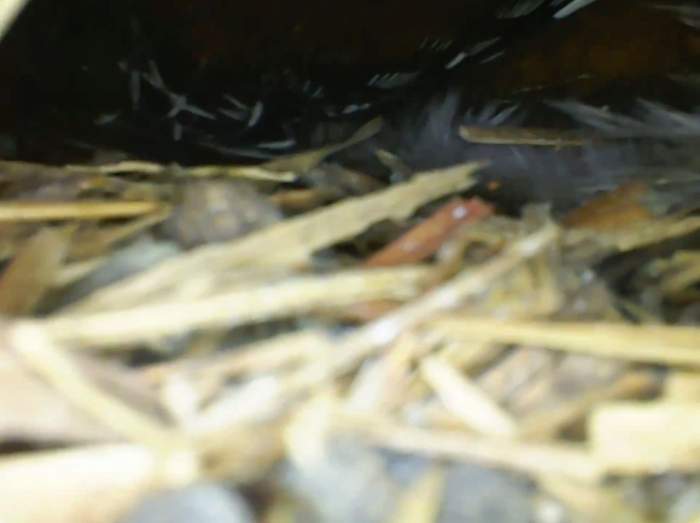
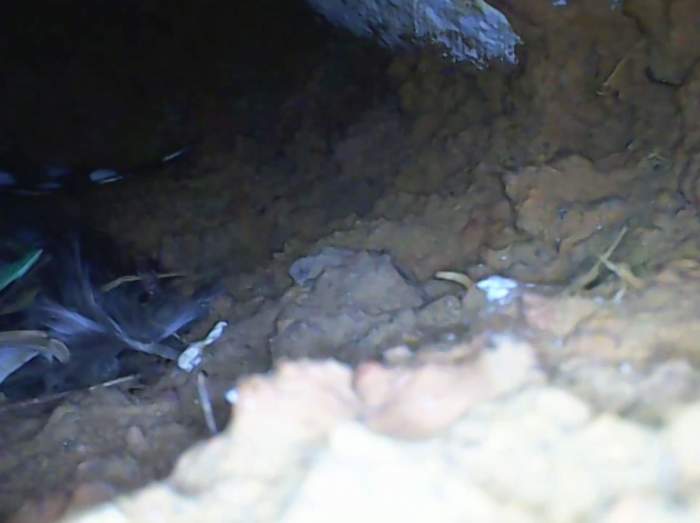
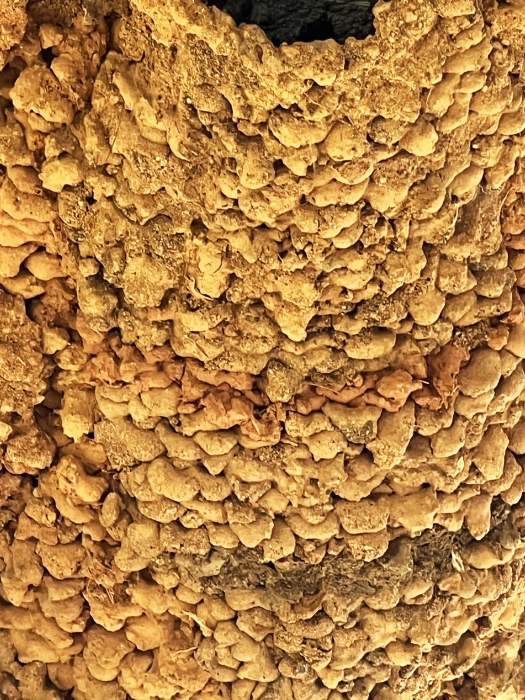
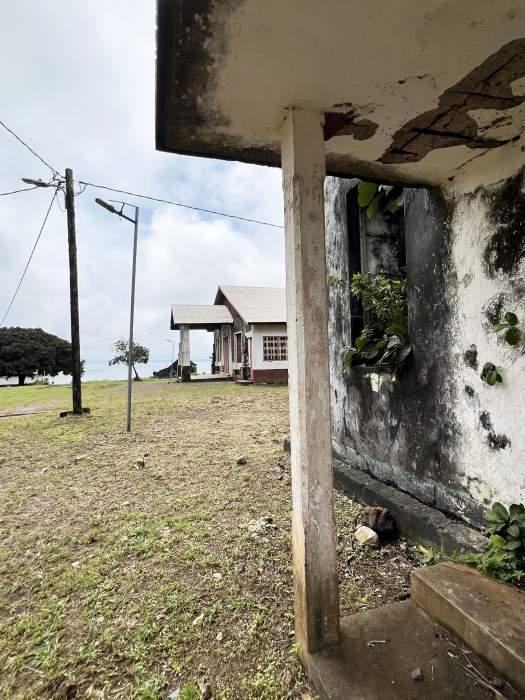
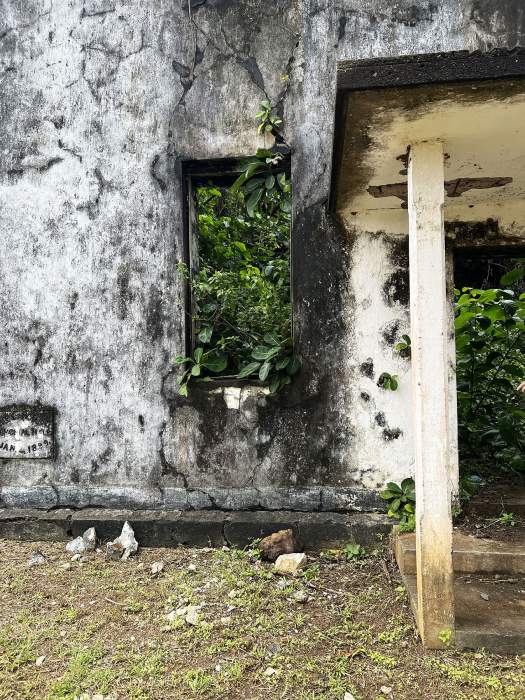
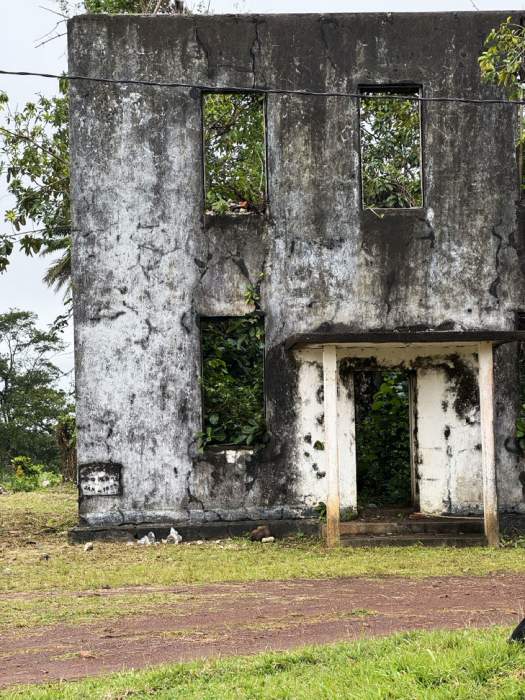
Found in Robertsport, Liberia, near St. John’s Episcopal Church, a swallow's nest in an abandoned structure exemplifies ecological adaptation. The church, constructed in the late 19th century, reflects the region’s missionary heritage. Overlooking a landscape marked by the decay of numerous derelict buildings – the result of civil unrest, this nest highlights the dynamic interplay between historical degradation and ecological resilience. The swallow’s choice of habitat underscores nature’s ability to repurpose human artifacts for its survival.
Swallows meticulously gather mud from nearby sources, which is often mixed with saliva to increase its adhesive properties. This mixture, rich in clay and organic particles, forms a durable, cohesive material ideal for nestbuilding. The mud's pliability when it is wet allows swallows to mold it into precise shapes, while the way it hardens upon drying ensures structural integrity, protecting the nest from environmental stresses and predators.